
Room by Room · Materials · Labeling
How to Pack for a Move in Vermont, VT
Nearly all moving damage traces back to two habits: boxes that are too big for what is in them, and boxes that are half empty.
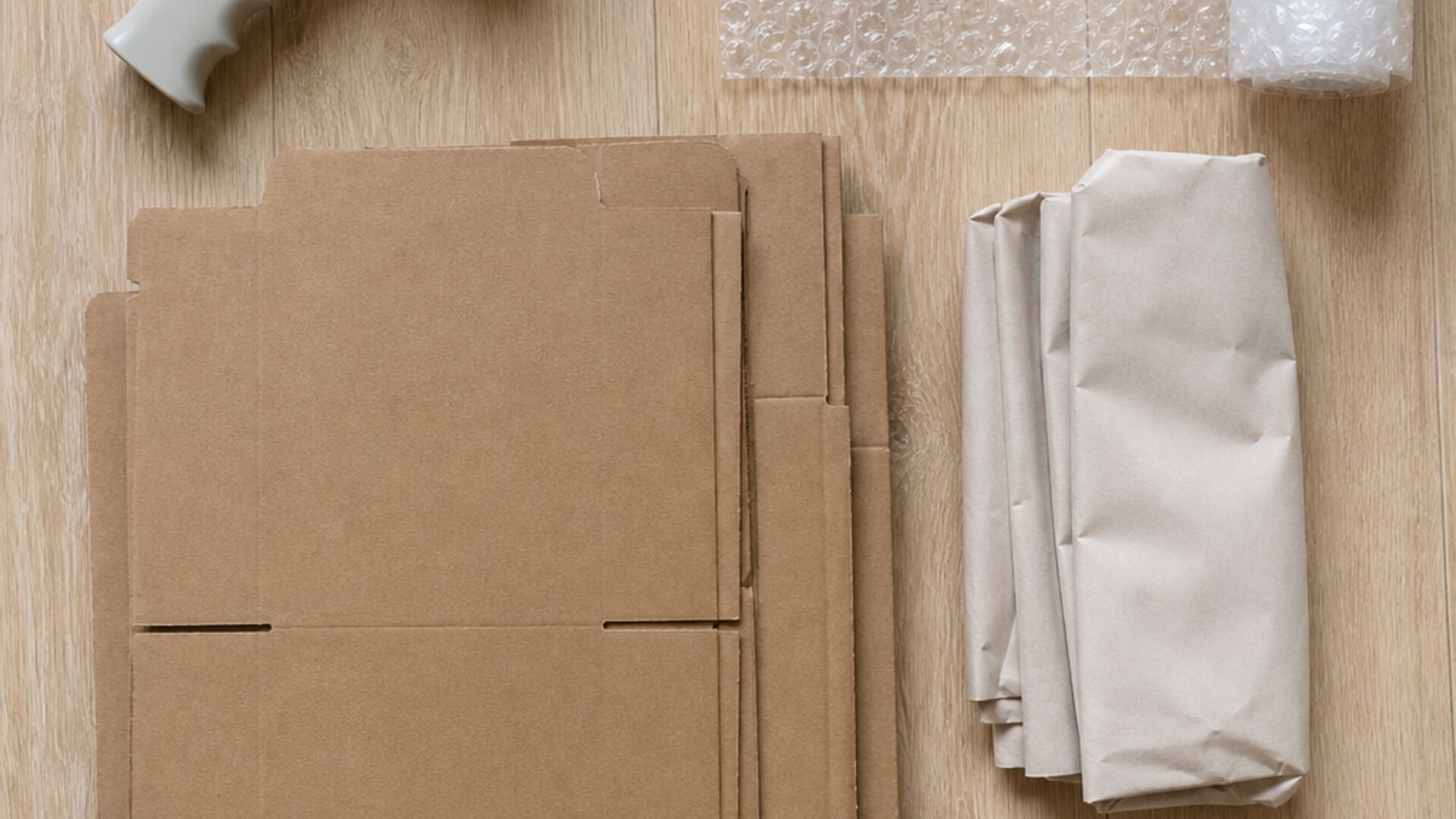
Materials First
What to Buy Before You Pack a Single Box
Getting the box sizes right is most of packing. The rest is filling voids.
The Short Version
- Heavy things go in small boxes
- Fill every void with paper
- Plates ride on edge, never flat
- Label the top and two sides
- Never box liquids with linens
- Nothing flammable goes on a truck
The single most common packing mistake is putting books in a large box. The contents are fine; the cardboard is not, and the bottom gives out on a staircase. The rule is inverse: the heavier the contents, the smaller the box. Small boxes for books, tools, canned goods and dishes. Large boxes for pillows, bedding, and lampshades.
The second most common mistake is leaving air in the box. Any empty space is room for contents to move for the entire trip, and Vermont roads provide plenty of encouragement. Fill every void with crumpled paper until the box does not rattle when you shake it gently.
What to Have on Hand
- Small boxes for books, dishes, tools, and anything dense.
- Medium boxes for the majority of household goods.
- Large boxes for bedding, pillows, and lightweight bulk only.
- Dish barrels — double-walled — for the kitchen.
- Wardrobe boxes so hanging clothes travel on the rail.
- Packing paper, not newspaper, which transfers ink.
- Bubble wrap for glass, screens, and framed items.
- Mattress bags, and cartons for mirrors and televisions.
- A tape gun and at least two thick markers.
As a rough planning figure, budget 25 to 35 boxes per bedroom for an average household — more if you cook seriously or keep a lot of books.
Going Room by Room
The Order to Pack a House In
Least-used to most-used, so the house stays livable until the end.
The Kitchen
The slowest room in any house and the one where breakage costs most. Plates go on edge, wrapped individually, in a dish barrel — stacking them flat is what cracks them. Glasses get paper inside and out. Pots nest with paper between them. Knives are wrapped and clearly labeled. Anything liquid gets bagged separately from anything absorbent.
Bedrooms and Closets
Leave clothing in dresser drawers — it saves boxes and time, and the crew moves the dresser as a unit. Hanging clothes go straight into wardrobe boxes. Strip beds and bag the mattress. Jewelry, documents, and anything irreplaceable travels with you, not on the truck.
Living Areas and Electronics
Photograph the back of the television and stereo before unplugging anything, then bag and label each cable. Screens go in flat cartons on edge, never flat under weight. Books get small boxes. Lamps come apart — shade, harp, and base packed separately.
Bathrooms, Garage, and Basement
Bathrooms are quick but messy: tape every cap and bag anything liquid. Garages and basements are where estimates go wrong, so start there earlier than feels necessary. Drain fuel from mowers and trimmers, and set aside anything that cannot legally ride on a truck.
What Never Goes on the Truck
- Propane tanks, gasoline, kerosene, and lighter fluid.
- Paint, solvents, thinner, and aerosols.
- Pool chemicals, fertilizer, and pesticides.
- Ammunition, fireworks, and matches.
- Perishable food and open liquids.
- Documents, medication, jewelry, and cash — those travel with you.
Packing Failures
Why Self-Packed Boxes Arrive Broken
Five habits that account for nearly all the damage on customer-packed moves.
-
Books in a Large Box
The contents survive. The cardboard does not, usually on a staircase.
-
Half-Empty Boxes
Air is room to move. Fill every void with paper until nothing shifts.
-
Plates Stacked Flat
Dishes ride on edge, wrapped individually. Flat stacks crack under weight.
-
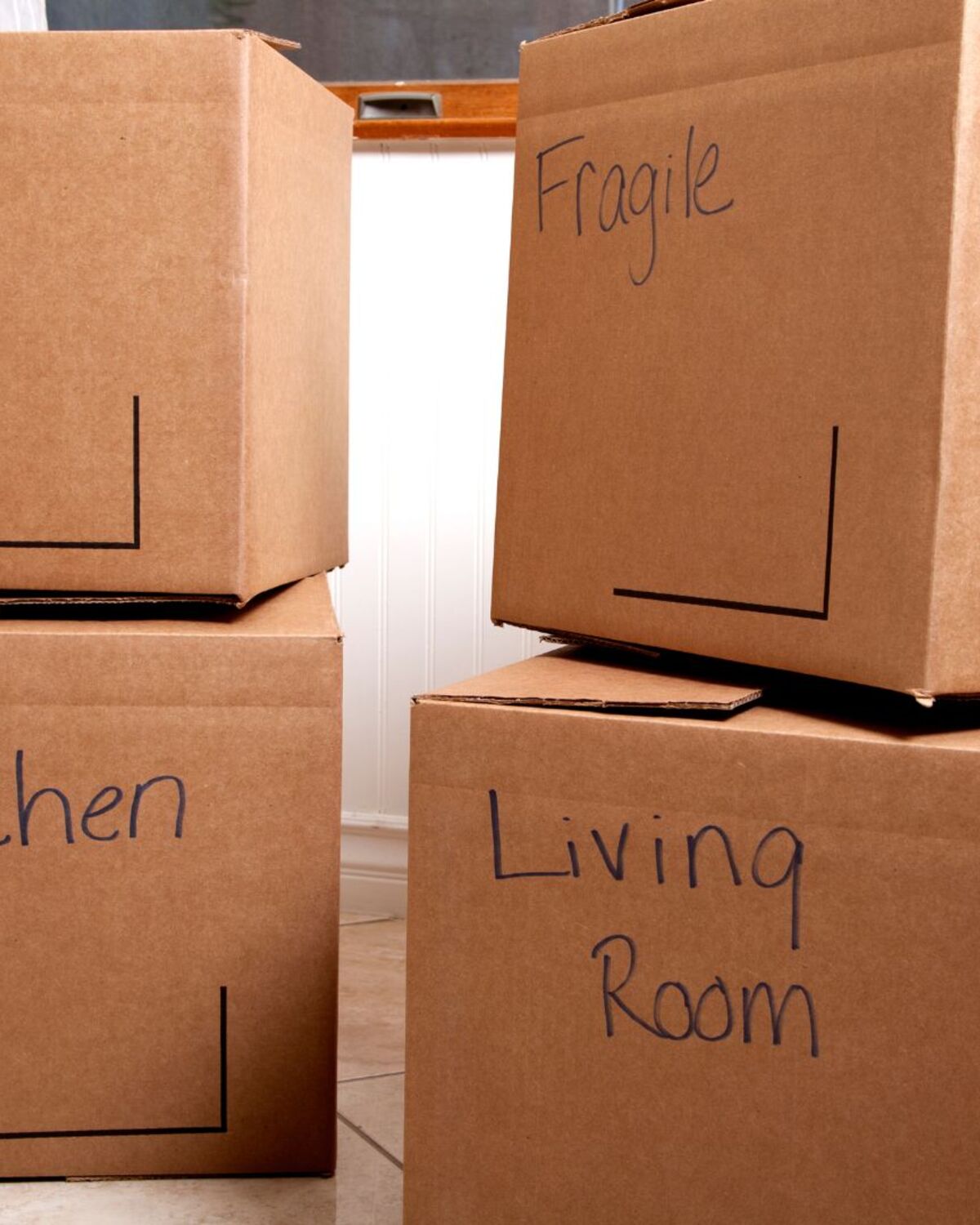
Nothing Written on Top
Boxes get stacked. Label the top and two sides or the crew reads none of it.
-
Liquids With Linens
One loose cap ruins an entire box of bedding, every time it happens.
Regional Notes
Packing Considerations Specific to Vermont Moves
Six things a general packing guide will not tell you about moving here.
Cold-Sensitive Items
Candles, vinyl, electronics, and liquids do badly in an unheated winter truck.
Attic and Barn Storage
Sort before boxing — decades of storage often contains more mice than memories.
Antiques and Heirlooms
Old glue joints and veneers need custom cartons, not a blanket and hope.
Serious Cookware
Cast iron and stand mixers need small, strong boxes and honest weight limits.
Garden and Yard Gear
Drain all fuel. Tools and pots pack as a separate dirty-items load.
Deeds and Documents
Property paperwork surfaces during packing. Set it aside, do not box it.
Packing FAQs
Common Packing Questions
Plan on 25 to 35 per bedroom for an average household, and more if you have a serious kitchen or a lot of books. It is far better to have leftovers than to run out at nine at night with half a pantry still on the shelf.
Keep Reading
More Moving Guides
Or Skip the Boxes
Would You Rather Not Pack the Kitchen?
Partial packing is a normal booking. Hand us the slow rooms and keep the easy ones.
Packing Quote
Request Packing Services in Rutland, VT
Name the rooms you want handled and we'll bring the right materials for them.
Hours of Operation
- Monday Open 24 Hours
- Tuesday Open 24 Hours
- Wednesday Open 24 Hours
- Thursday Open 24 Hours
- Friday Open 24 Hours
- Saturday Open 24 Hours
- Sunday Open 24 Hours
Request a Free Quote
Tell us what's going on — we'll reply fast during business hours.