
Ice · Snow · Mud Season
Winter Moving Guide for Vermont, VT
Five months of the year, moving here is a different job. Cheaper, quieter, and entirely dependent on preparation nobody thinks about in July.
The Trade
Why Winter Moves Are Cheaper and Harder
Off-season pricing is real. So is the extra hour spent on ice that nobody budgeted for.
The Short Version
- Off-season dates cost noticeably less
- Clear and salt before the crew arrives
- Wrap electronics before they go outside
- Cold cracks finishes and vinyl
- Mud season is worse than snow
- Book heating fuel before you arrive
Roughly seventy percent of American moves happen between May and September, which means the other seven months are quieter, more available, and cheaper. A January move in Vermont will almost always cost less than the identical job in July, and you will get your pick of dates rather than whatever is left.
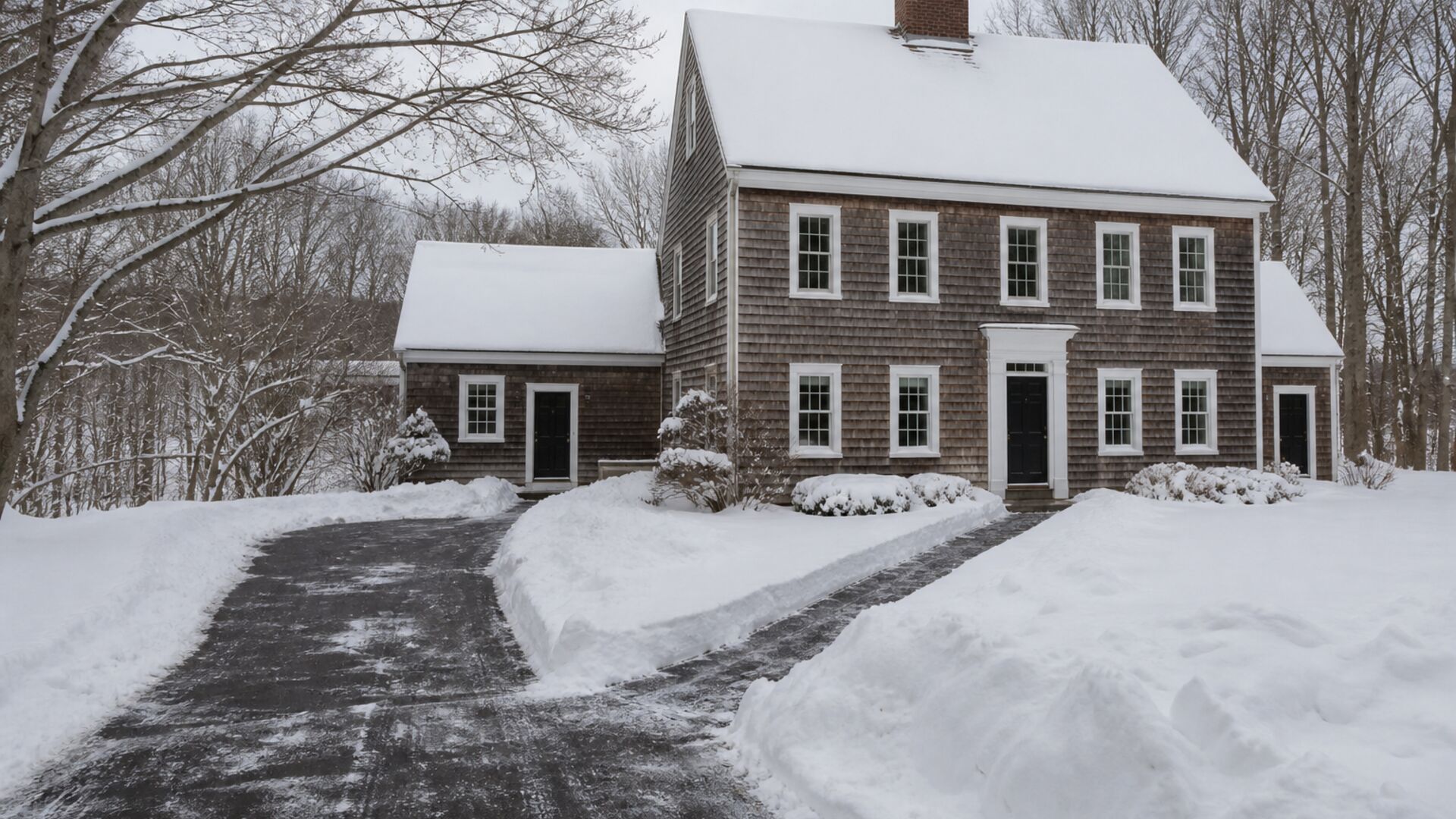
The trade is that everything takes longer and nothing forgives poor preparation. Ice on a metal ramp is genuinely dangerous. A driveway that was not plowed means the truck parks at the road. And furniture moving from a heated house into single-digit air behaves differently than furniture moving in June.
What Cold Actually Does to Your Belongings
- Wood finishes contract and can check or craze at extreme temperature swings.
- Leather stiffens and cracks if flexed while very cold.
- Vinyl records and candles warp or become brittle.
- Electronics can accumulate condensation moving from cold to warm — let them acclimate before powering on.
- Liquids — cleaning products, paint, drinks — freeze, expand, and burst.
- Houseplants will not survive even a short exposure. Move them in a car.
Preparation
What to Do Before the Truck Arrives in Winter
An hour of preparation on your side saves considerably more than an hour on the clock.
The Night Before and the Morning Of
- Plow or shovel the full driveway, plus a wide path to the door.
- Salt or sand every walkway, step, and threshold — then do it again at dawn.
- Clear a spot for the truck that it can also reverse out of.
- Lay old blankets, cardboard, or runners over interior floors.
- Confirm heat is on at both properties, not just the one you are leaving.
- Have towels near every entrance for melting snow.
- Charge phones and keep them warm — batteries fail fast in the cold.
Mud Season Is the Harder Season
Vermonters know this and newcomers do not: April is worse than January for a loaded truck. Frost coming out of the ground turns dirt roads and unpaved driveways into something that will not hold weight. Towns post road weight limits, and a fully loaded truck can and does sink.
If your address is on a dirt road or a long unpaved drive, mention it when you book a spring move. The answer is usually a shuttle — a smaller vehicle running between the house and a truck parked on hard surface. It adds time and costs less than a recovery.
Utilities and Heat
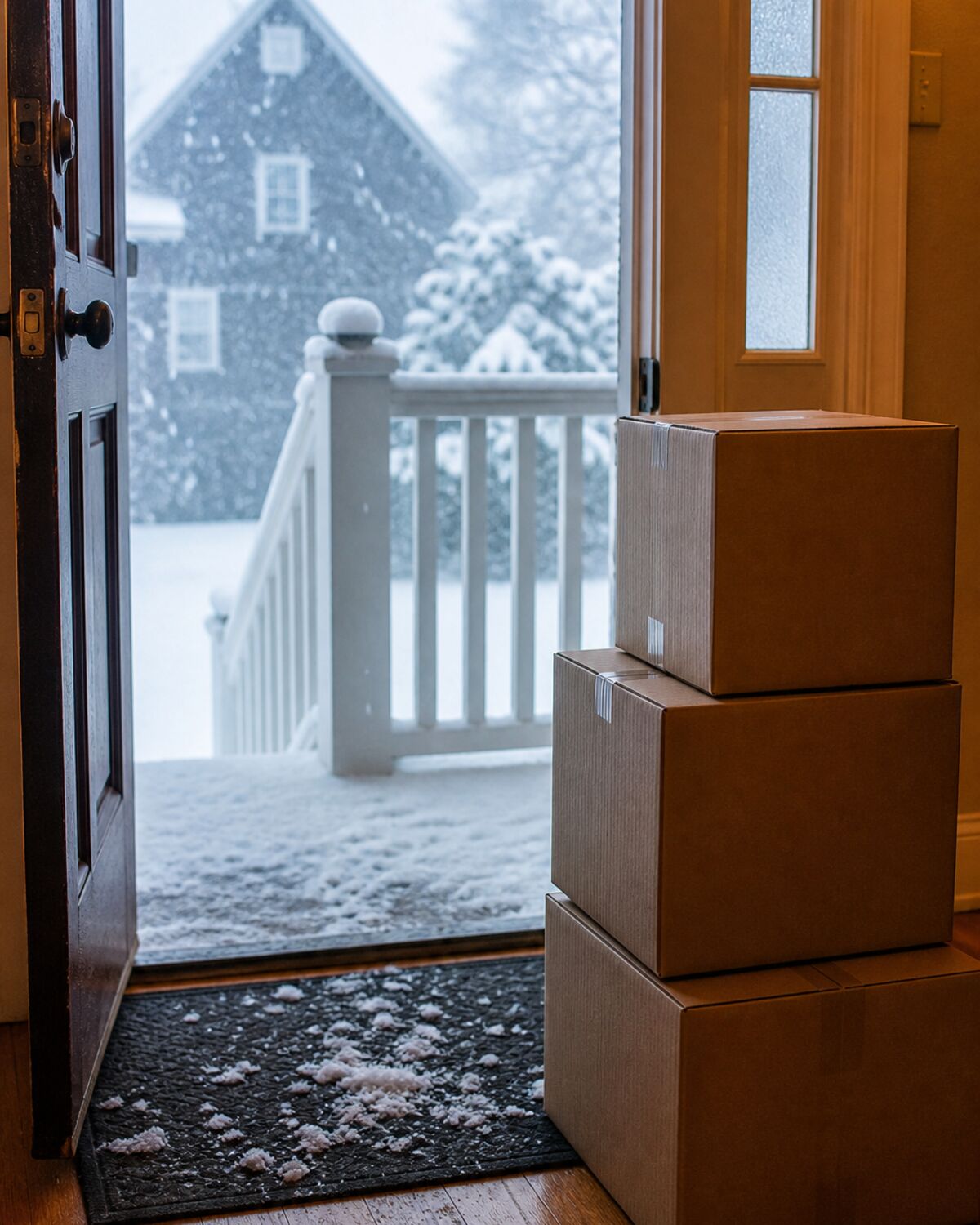
Arriving at an unheated house in February is a genuinely serious problem, not an inconvenience. Confirm the fuel tank at the new place before you close, schedule a delivery if it is low, and make sure the account is in your name and active before your first night. Pipes freeze faster than people expect in an empty house.
Cold Weather Failures
What Goes Wrong on a New England Winter Move
Five problems that are entirely preventable and entirely common.
-
The Driveway Was Not Cleared
A truck parked at the road adds that walk to every trip, all day long.
-
Nobody Salted the Steps
The highest-risk ten feet of any winter move is the granite step at the door.
-
Electronics Went Straight Outside
Condensation forms moving cold to warm. Wrap first, and let them sit before powering on.
-
The New House Had No Heat
An empty unheated house in February risks frozen pipes within hours.
-
A Spring Move Hit a Soft Road
Mud season sinks loaded trucks. Say so when you book, not when it happens.
Season by Season
What Each Part of a Vermont Winter Demands
Six months, six different sets of conditions to plan a move around.
November
First hard freezes. Driveways are fine but daylight gets short fast.
December and January
Deep cold. Wrapping and acclimation matter more than anything else.
February
Coldest stretch, but the most available crews and the best pricing.
March
Freeze-thaw cycles make walkways treacherous morning and evening.
April Mud Season
Road postings and soft shoulders. Access is the whole conversation.
Early May
Roads firm up, demand jumps, and prices begin climbing toward summer.
Winter Moving FAQs
Questions About Moving in the Cold
Yes. Weather is a planning input here, not a reason to reschedule your closing. Runners go down on floors, ramps get swept and salted, and pieces get wrapped in plastic before crossing the threshold. Genuine blizzard conditions are the only real stopper.
Keep Reading
More Moving Guides
Off-Season Advantage
Moving Between November and April?
Better dates, better pricing, and a crew that owns salt. Call and pick your day.
Winter Booking
Book a Winter Move in Rutland, VT
Tell us about the driveway and whether it's paved — in winter that's the key detail.
Hours of Operation
- Monday Open 24 Hours
- Tuesday Open 24 Hours
- Wednesday Open 24 Hours
- Thursday Open 24 Hours
- Friday Open 24 Hours
- Saturday Open 24 Hours
- Sunday Open 24 Hours
Request a Free Quote
Tell us what's going on — we'll reply fast during business hours.